Etherscan: A Comprehensive Guide to Exploring the Ethereum Blockchain ://
In the rapidly evolving world of blockchain technology, transparency and accessibility are essential. One platform that has become indispensable for users of the Ethereum network is Etherscan. Whether you are a beginner exploring cryptocurrency or an experienced developer analyzing smart contracts, Etherscan serves as a powerful gateway to understanding everything happening on Ethereum.
What is Etherscan?
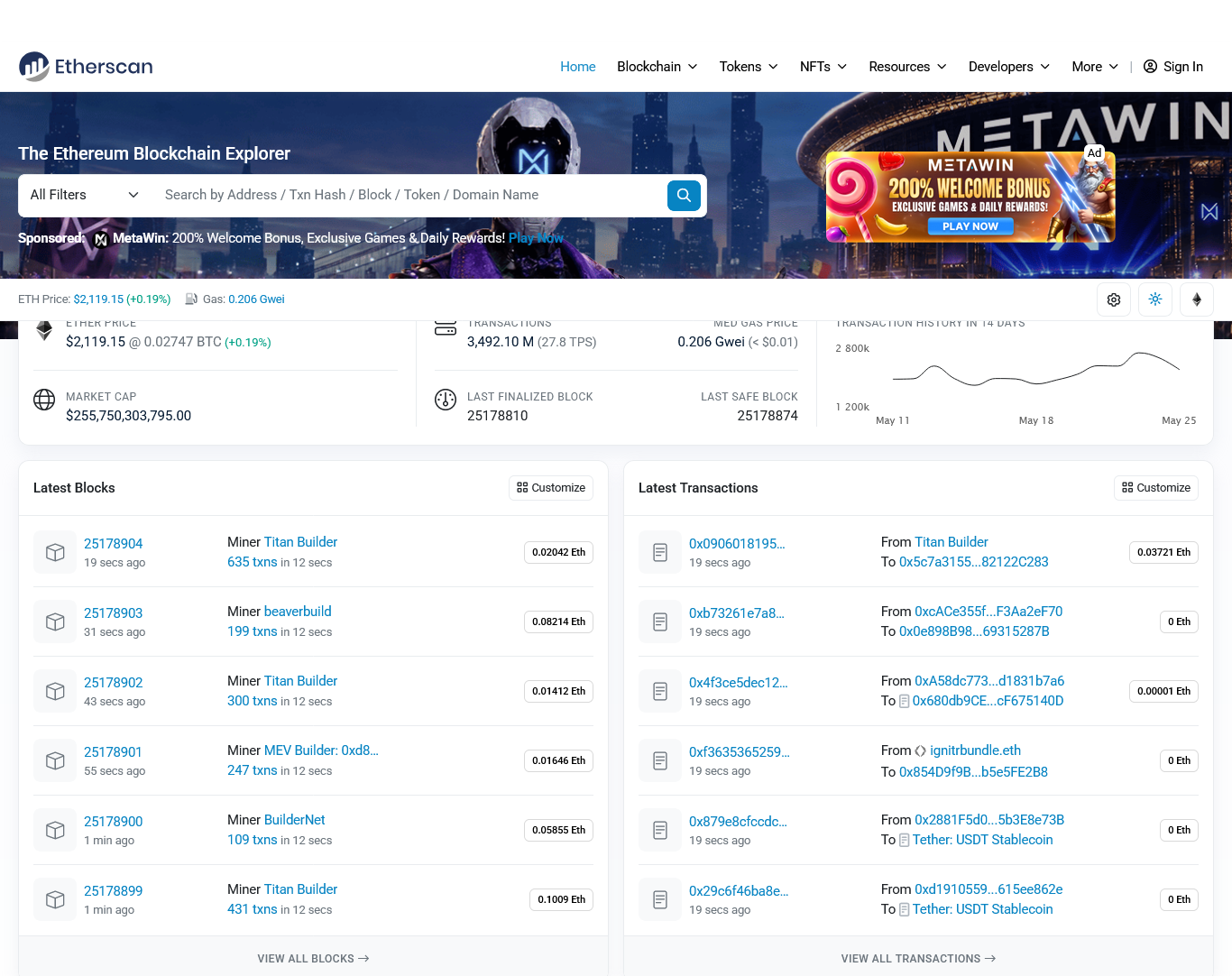
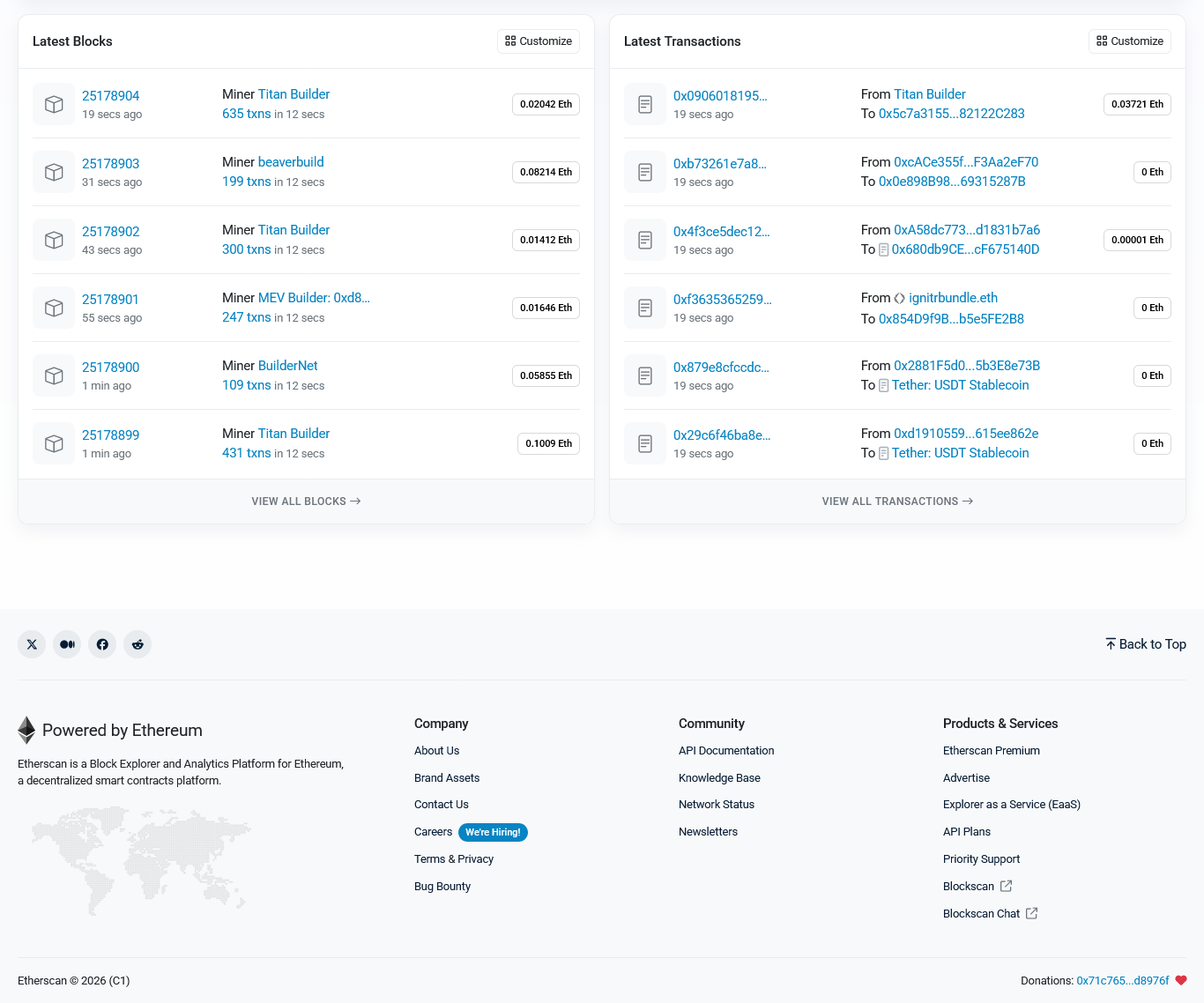
Etherscan is a blockchain explorer specifically designed for the Ethereum network. It allows users to search, verify, and analyze transactions, addresses, tokens, and smart contracts in real time. Unlike a traditional website that stores its own data, Etherscan pulls information directly from the Ethereum blockchain and presents it in a user-friendly format.
In simple terms, Etherscan acts like a search engine for Ethereum data, making complex blockchain information readable and accessible to everyone.
1. Transaction Tracking :/
One of Etherscan most widely used features is its ability to track Ethereum transactions. By entering a transaction hash (TXID), users can view details such as:
. Sender and receiver addresses , Gas fees and transaction costs , Confirmation status , Timestamp of the transaction.
This level of transparency ensures that users can independently verify any transfer on the network.
2. Wallet Address Lookup :/
Etherscan allows users to search any Ethereum wallet address. This reveals:
. Current ETH balance , Token holdings , Transaction history
This feature is particularly useful for monitoring your own wallet or analyzing large holders, often referred to as “whales.”
3. Smart Contract Analysis :/
Ethereum is known for its smart contracts, and Etherscan provides tools to explore them. Users can:
. View contract code , Verify contracts for authenticity , Interact directly with deployed smart contracts
Developers frequently rely on Etherscan to audit and debug their decentralized applications (dApps).
4. Token Tracking :/
Etherscan supports ERC-20, ERC-721 (NFTs), and other token standards. Users can:
. Check token balances , Track token transfers , Explore token holders and distribution
This is especially valuable in the world of decentralized finance (DeFi) and NFTs.
5. Gas Tracker :/
Transaction fees on Ethereum fluctuate depending on network demand. Etherscan’s gas tracker helps users:
. Monitor current gas prices , Estimate transaction costs , Choose optimal times to send transactions
Why Etherscan Matters ://
Etherscan plays a crucial role in maintaining trust within the Ethereum ecosystem. Because blockchain data is public but often difficult to interpret, Etherscan bridges the gap between raw data and user understanding.
. Transparency: Every transaction can be verified independently
. Security Awareness: Users can detect suspicious activity
. Accessibility: No technical expertise required to explore blockchain data
Limitations of Etherscan ://
While Etherscan is powerful, it is important to understand its limitations:
. It does not store cryptocurrencies or provide wallet services
. It cannot reverse transactions
. It only displays data—it does not control the blockchain
Additionally, interpreting blockchain data may still require some learning for beginners.
Conclusion ://
Etherscan has established itself as an essential tool in the Ethereum ecosystem. By transforming complex blockchain data into an accessible interface, it empowers users with transparency, insight, and control. Whether you are tracking a transaction, researching a token, or interacting with smart contracts, Etherscan provides the tools needed to navigate the decentralized world with confidence.
As blockchain adoption continues to grow, platforms like Etherscan will remain vital in helping users understand and trust decentralized systems.